Theoretical Perspectives on Precious Metals IRAs: Hedging, Diversification, and Retirement Security
A precious metals individual retirement account (IRA) sits at the intersection of traditional retirement planning and the long history of human interaction with tangible wealth. In theory, it extends the familiar tax-advantaged structure of an IRA to include physical gold, silver, platinum, and palladium through a self-directed arrangement. This is not simply a change of asset, but a reconfiguration of control, custody, and risk management. The central question a theorist might ask is whether metals offer complementary properties to financial assets inside a retirement framework, and under what conditions those properties become meaningful rather than illusory.At its core, a precious metals IRA relies on a self-directed custodian to administer assets that are physically held in approved depositories rather than stocks or mutual funds inside a single broker account. The legal and logistical architecture is built to prevent personal possession of the metal, which would disqualify the account as an IRA asset and trigger tax penalties. In exchange for these custodial services, account holders pay setup fees, annual maintenance, storage costs, and often a premium on the metal itself when selected coins or bars are acquired. The theoretical appeal rests on aligning professional storage and regulatory compliance with the security of long-horizon wealth against certain financial system risks. Yet the cost structure and practical constraints require careful assessment to determine when the theoretical hedge or diversification rationale translates into a disciplined investment strategy.To frame a theory of precious metals IRAs, one must distinguish several layers: the nature of the metal as a financial asset, the regulatory regime governing IRAs, and the behavioral implications of including a tangible asset in a retirement portfolio. Precious metals have historically served three roles in monetary and portfolio theory: a store of value, a hedge against inflation and currency debasement, and a diversification instrument with different price dynamics than financial securities. In theory, these roles can enrich an IRA by offering exposure to a non-correlated or less-correlated asset class, potentially dampening portfolio drawdowns during periods of monetary stress. But correlation is not a fixed property; it shifts with macroeconomic regimes. Theoretical models that treat metals as a diversifier must account for episodes where gold and silver move in concert with risk assets or decline together with broader markets. The value proposition then becomes contingent on the investor’s macroeconomic outlook, expectations for central-bank policy, and the speed with which one expects inflation to influence real returns.A key theoretical distinction concerns the form of exposure. In a typical stock-based IRA, ownership is through shares of corporations and derivatives of their cash flows. In a precious metals IRA, ownership is the metal itself or, more precisely, ownership of a claim to a metal that is physically stored by a custodian. This creates a different risk-return profile. The metal provides potential price appreciation, but it also introduces cost and friction—premium to spot price, storage fees, and contingent sale costs. The theoretical analysis thus treats metals as a quasi-asset that embodies both market exposure and a custodial premium. The user must weigh whether the value of that “convexity of security”—the potential resilience in adverse monetary environments—outweighs the recurring expenses and illiquidity premium relative to conventional assets.Regulatory and governance considerations shape the theoretical space in important ways. The IRS framework for IRAs imposes strict constraints on what qualifies as a permitted asset, which metals qualify, and how they must be stored. This governance layer is not merely bureaucratic; it changes the risk profile and the expected return in fundamental ways. For example, the requirement that holdings be stored in IRS-approved depositories eliminates the possibility of physically inspecting or transferring the metal without going through custodial channels. It creates a nested cost structure but also reduces certain operational risks, such as theft from personal possession. Theoretically, this is a form of centralized risk management embedded within the retirement account structure. Yet the cost of compliance and the potential for misalignment between a purchaser’s preferences and custodian policies can erode the attractiveness of the asset class for some investors. 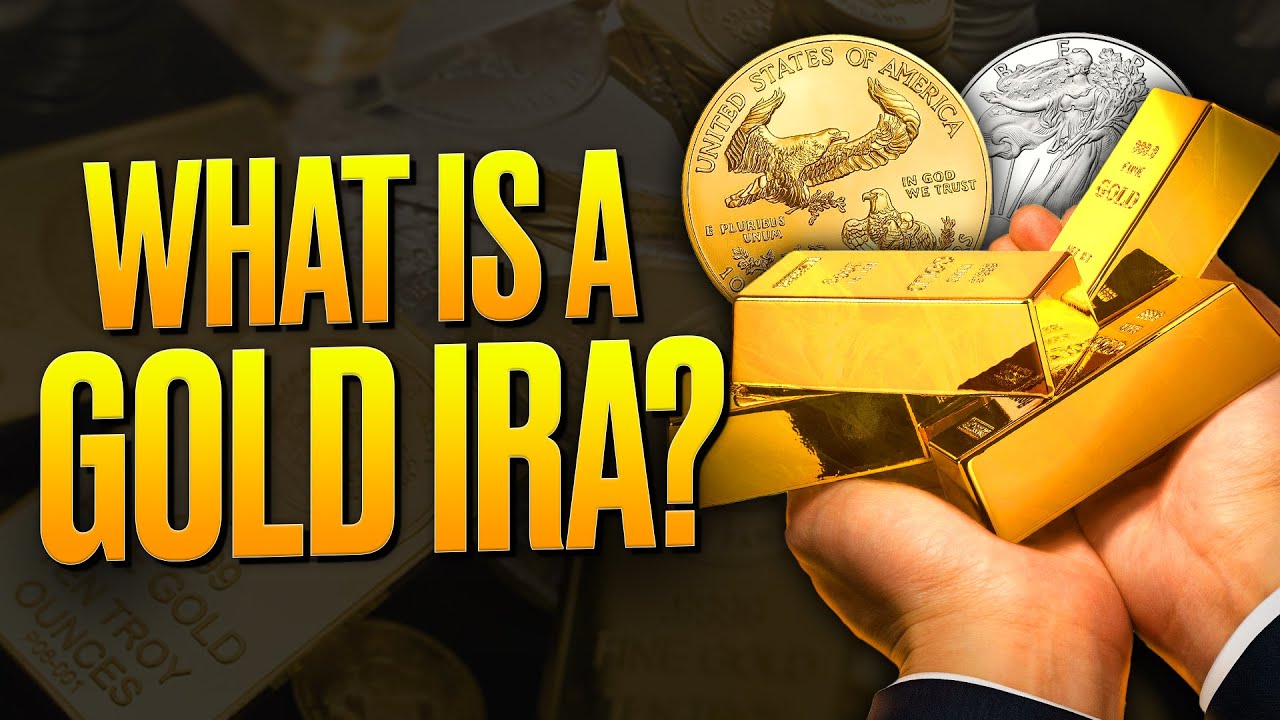
In sum, a theoretical appraisal of precious metals IRAs recognizes both their enduring appeal and their inherent constraints. The asset class offers a unique combination of tangible wealth and regulatory friction, with potential benefits in diversification and inflation hedging. Yet these advantages hinge on careful cost management, disciplined portfolio construction, and a clear understanding of the tax and custody architecture that defines the IRA. A successful theoretical framework emphasizes not only the metals’ historic role as stores of value but also the imperative to integrate them into retirement planning with explicit assumptions, explicit costs, and explicit behavioral considerations. Only then can the precious metals IRA move from a theoretical curiosity to a coherent component of a resilient, well-designed retirement strategy.